 United States
 United Kingdom

Key takeaways
What counts as low alcohol beer in the UK?
In the UK, a beer is classed as a low alcohol beer if it contains more than 0.5% ABV and up to 1.2% ABV. Anything above 1.2% ABV is considered a standard alcoholic beer.
This definition is used by the Advertising Standards Authority (ASA) and the Committee of Advertising Practice (CAP), making it the benchmark for how low alcohol beers are marketed.
Low alcohol vs alcohol-free: What's the difference?
| Feature | Alcohol-free | Low alcohol |
|---|---|---|
| UK legal definition | Up to 0.05% ABV | More than 0.5% ABV up to 1.2% ABV |
| International benchmark | Up to 0.5% ABV in many countries | No single international definition; varies by market |
| How it's made | Usually brewed as normal, then alcohol is removed or reduced | Brewed to a lower strength or produced to remain below the legal ABV threshold |
| Taste & body | Often lighter-bodied, though quality varies | Typically closer in body, flavour and mouthfeel to standard-strength beer |
| Best suited for | Those avoiding alcohol altogether (always check the label) | Those looking to reduce alcohol intake without giving up the beer experience |
10 widely distributed low alcohol beers
Ranked by flavour, drinkability and how well they prove that less alcohol doesn't mean less enjoyment.
It's the benchmark for low alcohol lagers in the UK. Lucky Saint pours with a full head, crisp malt character and a gentle citrus finish, making it remarkably close to a classic Bavarian lager.
It's one of the few low alcohol beers you'll happily order in the pub without feeling like you're compromising.
Big Drop has built its reputation on brewing exclusively low alcohol beers, and Pine Trail shows why. Expect bright citrus, tropical hops and a clean finish that's refreshing rather than overpowering. It drinks like a proper craft pale ale, just with far less alcohol.
If you already enjoy Ghost Ship, this version won't disappoint. It keeps the brewery's trademark citrus notes, gentle bitterness and biscuity malt while removing the alcohol after brewing. It's one of the UK's most convincing low alcohol pale ales.
Guinness has done what many thought impossible - produce a 0.0% stout that still delivers the familiar roasted coffee, dark chocolate and creamy texture. It's rich, smooth and incredibly close to the original.
BrewDog doesn't hold back on hops here. Nanny State packs pine, grapefruit and resinous bitterness into a beer that's anything but bland. It's unapologetically punchy and remains one of the pioneers of modern low alcohol craft beer.
Zero Five delivers juicy tropical fruit, citrus hops and a soft body that feels more like a full-strength craft IPA than a low alcohol alternative. It's fresh, balanced and beautifully brewed.
Roasted coffee, cocoa and subtle sweetness make this one of the best low alcohol stouts available. The body is surprisingly full, giving it the richness stout lovers expect.
Distinctive banana, clove and soft wheat flavours make this instantly recognisable. It's refreshing, lightly sweet and has earned a loyal following well beyond the alcohol-free category.
Clean, light and refreshing, Peroni 0.0 delivers the familiar Italian lager profile with delicate citrus notes and a dry finish. It's a reliable choice with food or on a warm day.
Nirvana was one of Britain's first breweries dedicated to low and alcohol-free beer, and this stout shows its expertise. Rich roasted malt, dark chocolate and gentle coffee notes create a satisfying finish that never feels watered down.
Prefer to brew your own? Fresh session beer, straight from the Pinter
None of the beers above can be poured fresh at home. These three can — and they cost around £1.50 a pint.
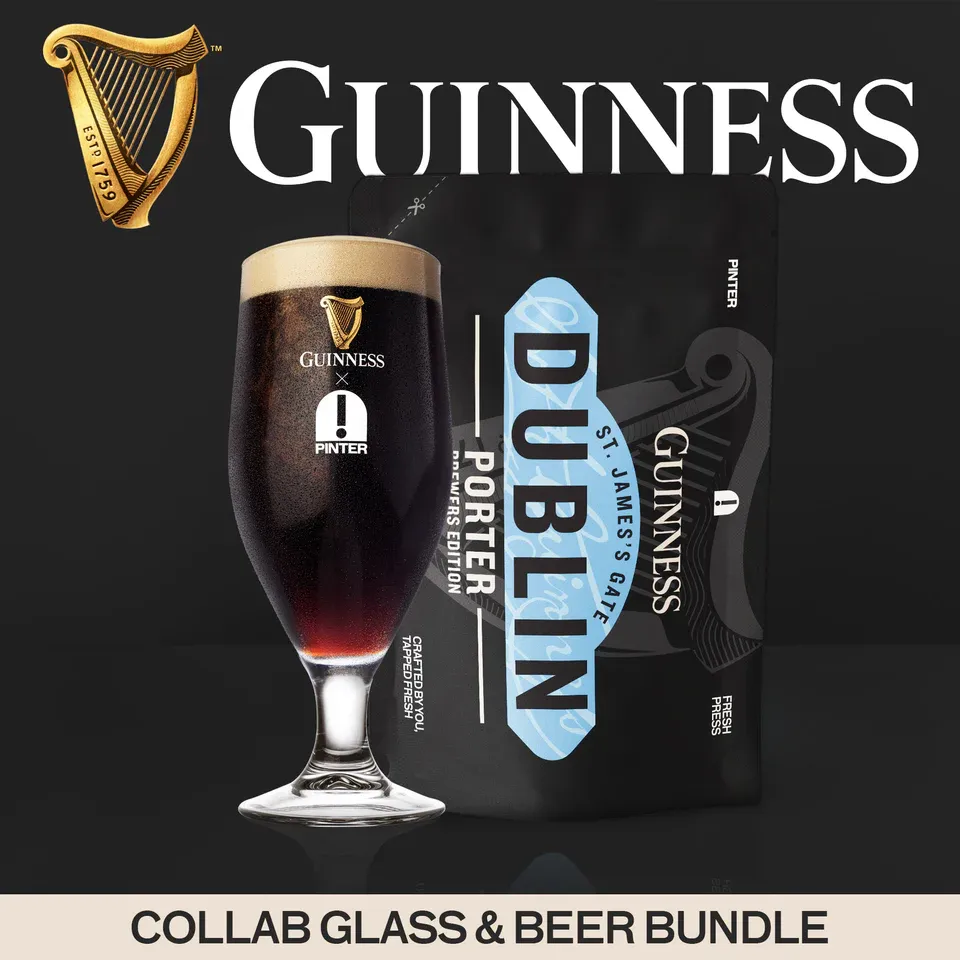
Guinness 'Dublin Porter, Brewers Edition'
Rich, smooth and unmistakably Guinness, this heritage-inspired porter is brewed fresh at home at 3.8% ABV. Inspired by the original brewing books of Arthur Guinness, it brings together roasted Irish barley, gentle caramel notes and a hint of ruby red for a porter that's full of character.
ABV: 3.8%
Style: Dublin Porter
Flavour: Dark, mild hop, roasty
Price: £39.99 per Fresh Press
Why brew it at home? Fresh from the tap, you'll enjoy a brighter aroma, livelier carbonation and a depth of flavour that's difficult to match from a packaged beer.
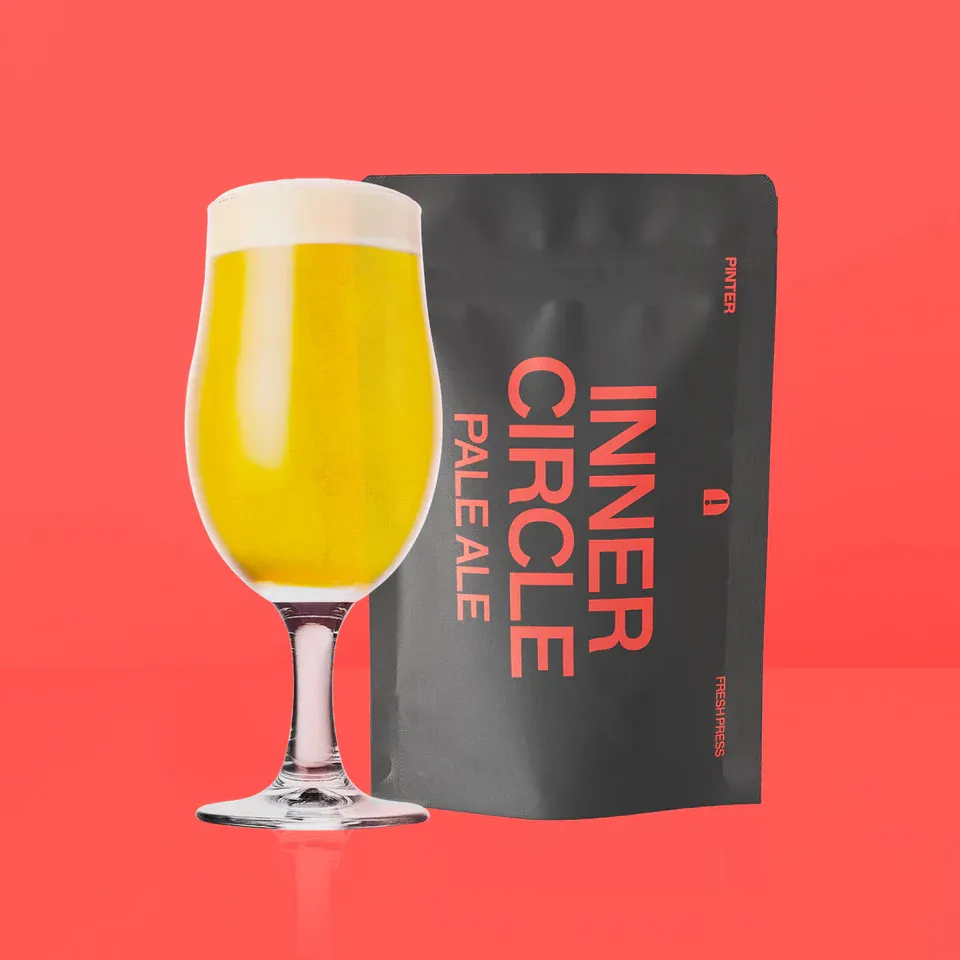
Inner Circle Pale Ale
Bright, citrus-forward and brewed to 4.0% ABV, Inner Circle Pale Ale balances floral hops with a clean, refreshing finish. It's an easy-drinking pale ale that shows just how satisfying a lower-strength beer can be.
ABV: 4.0%
Style: Pale Ale
Flavour: Floral, citrus, pale
Price: £14.99 per Fresh Press
Why brew it at home? Brewing fresh preserves the vibrant hop aroma and crisp finish that pale ales are loved for.
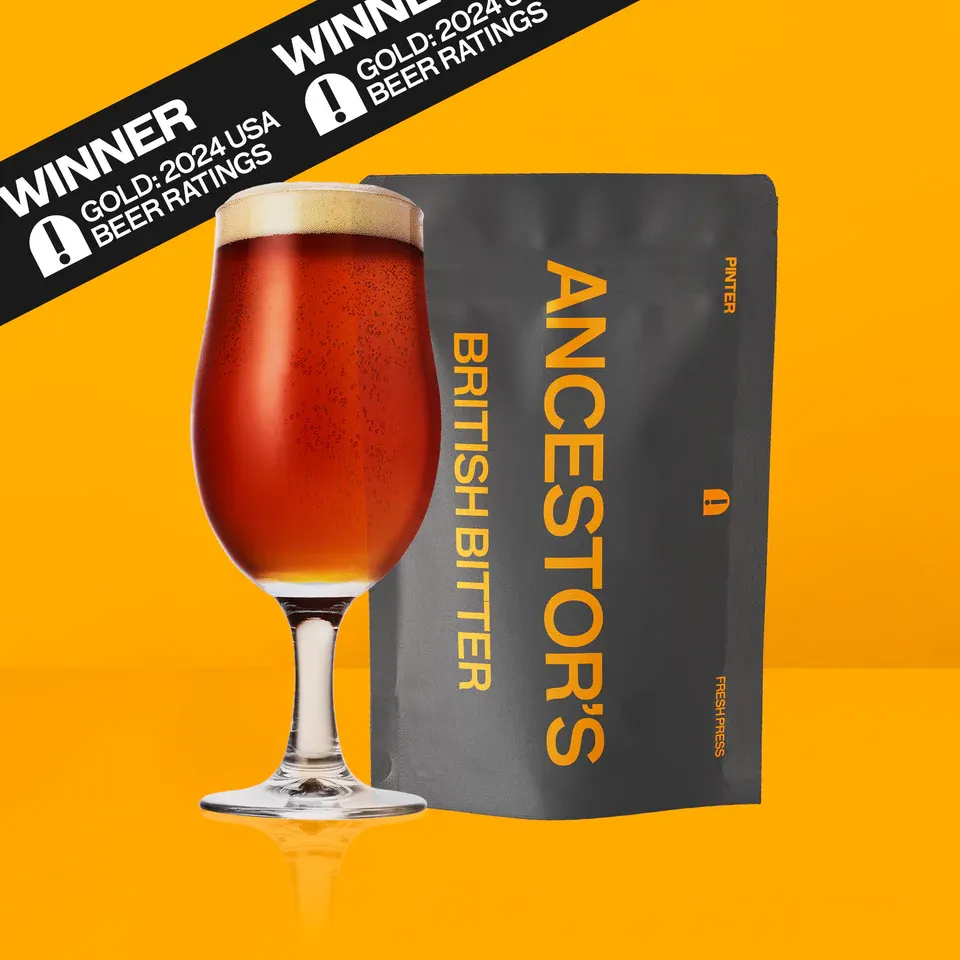
Ancestor's British Bitter
A proper British bitter brewed fresh at home, Ancestor's combines biscuity malt, subtle dark malt and gentle hop character for an authentic pub-style pint at 4.1% ABV. It's smooth, balanced and made for easy drinking.
ABV: 4.1%
Style: British Bitter
Flavour: Malt, amber, low hop
Price: £14.99 per Fresh Press
Why brew it at home? Fresh brewing brings out the rich malt character and classic pub-style balance that define a great British bitter.
Why low-alcohol beer tastes so much better than it used to
For years, low-alcohol beer had a reputation for being thin, watery and lacking flavour. That's changed dramatically. Better brewing techniques mean today's best low-alcohol beers keep far more of the aroma, body and balance that make full-strength beer enjoyable. In many cases, you'd struggle to notice the difference without checking the label.
One reason is that breweries now have more ways to control alcohol without stripping away flavour. Some use arrested fermentation, stopping the yeast before it produces too much alcohol while preserving the beer's natural sweetness and malt character. Others use vacuum distillation, which removes alcohol at lower temperatures so delicate hop aromas and flavours stay intact. Brewers are also experimenting with techniques such as cold contact fermentation, carefully managing fermentation conditions to develop flavour while naturally limiting alcohol production.
The result is a category that's far more exciting than it was a decade ago. Whether it's a crisp lager, a hoppy pale ale or a rich stout, today's low-alcohol beers offer the freshness, complexity and character beer drinkers expect. As the beers in our ranking show, less alcohol no longer means less flavour.
Fresh draught beer at home, brewed in days
Pinter makes it easy to brew fresh draught beer at home with reusable Fresh Presses and a simple brewing system that's ready to pour in just a few days.
GET YOUR PINTERLow alcohol beer - Your questions answered
What ABV is considered low alcohol beer in the UK?+
Can you drive after drinking low alcohol beer in the UK?+
How many calories are in low alcohol beer?+

About the author
Charlie Howsego
Community Executive
As Pinter's Community Executive, Charlie loves nothing more than helping people discover the joy of brewing at home. Through his writing, he shares practical tips, brewing insights, and a genuine passion for fresh beer.